Does a Tooth Filling Last Forever?
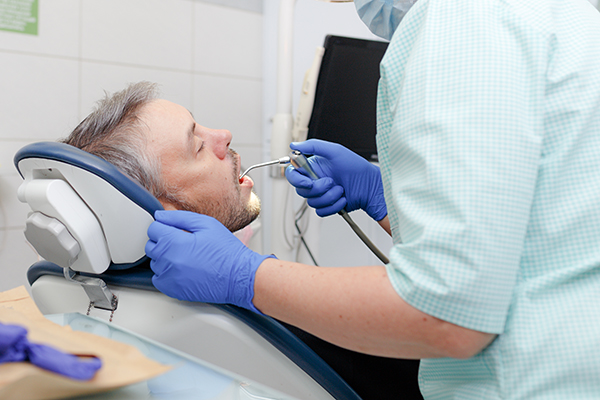
A tooth filling, also known as a dental filling, is one of the most popular ways to restore teeth that are in bad shape due to decay, injury, or imperfections. They have been the standard for rebuilding teeth for as long as dentistry has existed. The procedure of placing a tooth filling is simple, quick, and very beneficial to the health of the oral cavity. When considering dental restorations, it is a good idea to become familiar with the lifespan of each option. This allows patients to make an educated decision on which option is most suitable for them.
The average lifespan of a tooth filling
Tooth fillings can last anywhere from five to 30 years. However, on average, they last about 15 years. While the restoration is intended to be a permanent restoration, it is hard to ensure that due to everyday wear and tear in the mouth. Wear and tear occur over time as a result of eating and teeth grinding (bruxism).
What is important to know is that the lifespan of a tooth filling relies heavily on the type of material used. For example, gold tooth fillings are said to last the longest (about 15 to 30 years) as the material is strong and very reliable. However, composite resin tooth fillings may not last more than 5-7 years as the material is often used for temporary purposes. That said, the most common tooth filling material is porcelain, which is a good in-between. It offers a natural appearance while lasting about 10 to 15 years on average.
How to make tooth fillings last longer
Tooth fillings are much more likely to last longer if the oral cavity is maintained carefully and properly. Outlined below are a few tips from a general dentist on how to make a tooth filling last:
- Brush twice a day or after every meal to remove food debris and plaque build-up
- Floss once a day as this eliminates build-up between the teeth, which could cause infections in a filled tooth
- Rinse the mouth a few times a week with salt water or mouthwash to reduce accumulate bacteria
- Avoid hard, tough, or sticky foods that could damage the tooth filling, particularly when the dentist first places it
- See the dentist on a regular basis so that the filled tooth can be monitored
When it is time to replace a tooth filling
Even the best oral hygiene routine cannot prevent everyday wear and tear. Fillings can wear down over time because they are not as strong as natural tooth enamel. Bacteria can enter the tooth through worn fillings, which can lead to further decay and damage. Patients should call the dentist to replace a willing if they experience the following:
- Persistent pain, particularly when chewing food
- Yellow, gray, or brown discoloration
- Visible cracks or chips
- Bad breath or taste in mouth
- Difficulty flossing
- Changes in bite alignment
Ready to get started?
Are you in need of tooth fillings to address dental damage? The A Dental Care & Implant Center team is here to answer your questions and go over concerns you may have when trying to determine what type of restoration best fits your needs. Reach out to our Spring office to learn more about our dental restoration options or to schedule a consultation appointment.
Request an appointment here: https://springdentalcareimplanttx.com or call A Dental Care & Implant Center at (281) 466-4681 for an appointment in our Spring office.
Check out what others are saying about our dental services on Yelp: Tooth Filling in Spring, TX.
Related Posts
It is important to choose a cosmetic dentist that you trust, especially when it comes to orthodontic treatment. Before deciding on the best cosmetic dentist for you, it is helpful to have an understanding of the different types of orthodontic treatments and get an idea of which option might be best for you.Every cosmetic dentist…
Gum disease treatment is an important part of preserving your oral health. It fights infections and prevents damage to teeth and supporting tissues. Gum disease can range from mild inflammation to severe tissue and bone loss, requiring different levels of professional dental care. Modern dentistry offers solutions from conservative deep teeth cleanings to advanced surgeries…
When missing teeth affect your overall quality of life, implant supported dentures offer a solid, lasting fix to restore a healthy smile and clear speech. Modern dental care gives patients great choices for full-mouth restoration. However, few options match the strength and everyday ease of anchor-supported dentures. If you are tired of loose plates or…
A smile makeover can change the way teeth look, feel, and function by combining treatments into one personalized plan. As a general dentist, the focus stays on oral health first, then appearance. This approach helps patients address concerns such as discoloration, uneven spacing, worn edges, and missing teeth in a way that fits their needs.…