Take-Home Teeth Whitening Trays: A Convenient Way to Improve Your Smile
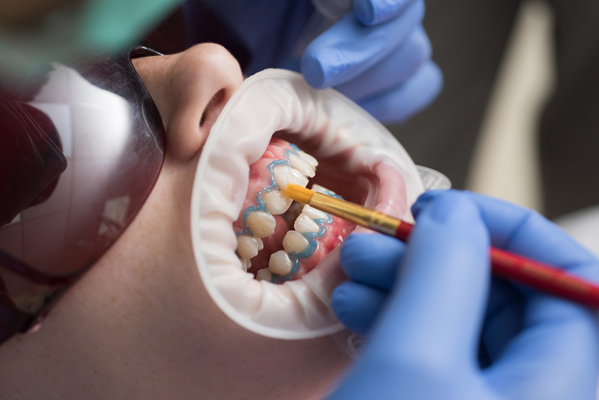
Teeth whitening works by applying a peroxide gel that lifts stains from enamel, the tooth’s outer layer. Custom trays hold the gel evenly against the teeth, promoting consistent shade change while limiting gel on the gums. As a general dentist, the focus stays on fit, concentration, and timing to help patients whiten gradually and comfortably. Compared with strips or toothpaste, custom-fit trays deliver a closer seal, allowing the gel to contact more surface area. Teeth whitening also pairs well with a professional cleaning, which removes plaque that can block gel contact and slow results.
How the process works
The visit starts with impressions or digital scans to create thin, flexible trays that closely match the mouth. At home, patients place a pea-sized dot of gel in each tooth compartment, then seat the trays and wipe away any excess. Wear time depends on the formula—carbamide peroxide often stays in for 30–90 minutes, while hydrogen peroxide formulas may need shorter sessions.
Most people notice a noticeable change within 1 to 2 weeks of daily use. Sensitivity can occur when the gel opens microscopic enamel pores; a fluoride or potassium nitrate toothpaste usually resolves it. Skip a day if sensitivity rises, then resume on an every-other-day schedule. Good technique and steady habits make teeth whitening efficient and predictable.
Benefits of take-home trays
Before starting, it helps to understand how custom trays support comfort, control, and consistent results at home.
- Custom fit helps the gel reach curved edges and between teeth while protecting the gums
- Flexible scheduling allows patients to whiten during a commute, workout, or evening routine
- Reusable trays support occasional touch-ups after consumption of coffee, tea, or red wine
- Supervision by a dentist guides the selection of gel strength, wear time, and sensitivity management
These advantages make teeth whitening with trays a convenient option for busy patients who want a gradual change and ongoing control.
Candidacy, care, and limits
Healthy gums and cavity-free teeth create the right foundation for whitening. Restorations such as fillings, crowns, and veneers do not change color, so the dentist reviews how shade differences could appear and discusses replacement timing if necessary. Intrinsic stains from medication or trauma may respond slowly; in such cases, the plan may include extended wear, in-office whitening, or alternative cosmetic treatments.
To protect enamel, avoid overfilling trays and do not exceed the recommended wear time. Rinse trays with cool water, store them in a ventilated case, and keep the gel refrigerated to maintain potency.
After treatment, adopt “white diet” habits for 24–48 hours (choose water, milk, bananas, turkey, rice, and plain yogurt) because newly opened enamel pores absorb color more easily. Long term, minimize staining by sipping coffee or tea quickly, using a straw for iced beverages, and brushing twice daily with a fluoride toothpaste. Regular checkups allow the dentist to monitor gum health and guide safe touch-ups so teeth whitening results last.
Schedule a consultation
A brighter smile often starts with simple steps at home, and custom trays offer control, flexibility, and dentist-guided oversight for steady, teeth-whitening progress. An individualized plan, clear wear instructions, and sensitivity support can help patients achieve a natural, brighter shade that aligns with their goals and lifestyle. For more information or to schedule an appointment, call our office.
To schedule a consultation, please request an appointment on our website at https://springdentalcareimplanttx.com or call A Dental Care & Implant Center at (281) 466-4681 to arrange an appointment at our Spring office.
Check out what others are saying about our dental services on Yelp: Teeth Whitening in Spring, TX.
Related Posts
Gum disease treatment is an important part of preserving your oral health. It fights infections and prevents damage to teeth and supporting tissues. Gum disease can range from mild inflammation to severe tissue and bone loss, requiring different levels of professional dental care. Modern dentistry offers solutions from conservative deep teeth cleanings to advanced surgeries…
When missing teeth affect your overall quality of life, implant supported dentures offer a solid, lasting fix to restore a healthy smile and clear speech. Modern dental care gives patients great choices for full-mouth restoration. However, few options match the strength and everyday ease of anchor-supported dentures. If you are tired of loose plates or…
A smile makeover can change the way teeth look, feel, and function by combining treatments into one personalized plan. As a general dentist, the focus stays on oral health first, then appearance. This approach helps patients address concerns such as discoloration, uneven spacing, worn edges, and missing teeth in a way that fits their needs.…
Periodontics care is specialized dental care for treating and preventing periodontal disease from reappearing. Scaling and root planing may be performed on patients with periodontal disease to eliminate bacterial plaque and other toxins. Gum disease-causing bacteria can reappear three to four months after initial treatment. As a result, the dentist will recommend coming for cleanings…