Dental Crowns: Common Issues and How to Address Them
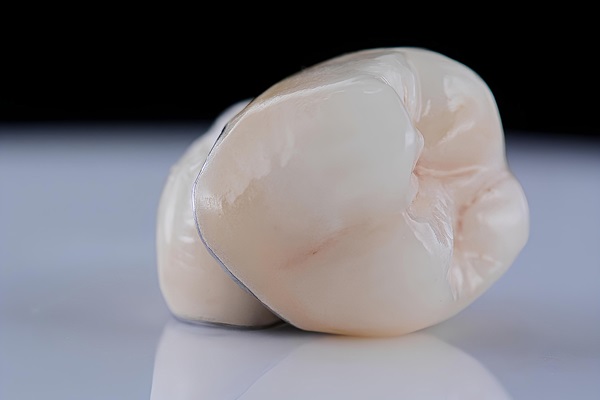
Dental crowns are widely used to restore damaged or weakened teeth, providing durability, strength, and a natural appearance. A dental crown can last many years with proper care, but it may face complications over time, like any dental restoration. Understanding these common issues and how to address them can help patients maintain their crown's health and function.
Common issues with dental crowns
Sensitivity and discomfort after placement
It is common for patients to experience mild tooth sensitivity shortly after receiving a dental crown. This can result from irritation to the nerve during crown preparation or from the crown sitting too high on the tooth. To resolve this issue, dentists may adjust the crown’s fit or recommend desensitizing toothpaste to alleviate symptoms. If sensitivity persists or worsens, further evaluation may be needed to ensure no underlying nerve damage.
Loose crown or loss of cement
Over time, the dental cement that holds a crown in place may weaken, causing the crown to feel loose or shift slightly. If left unaddressed, bacteria can enter the space beneath the crown, increasing the risk of decay. Re-cementing the crown is typically a simple fix that can restore its stability and protective seal. In cases where the crown structure or underlying tooth has deteriorated, a new restoration may be necessary.
Cracks or fractures in the crown
Although dental crowns consist of strong materials, they can still crack or chip due to excessive pressure from grinding, biting hard objects, or trauma. Minor surface chips in porcelain crowns may be polished or repaired with composite resin. For deeper fractures or cracks affecting the crown's integrity, replacement is often the most effective solution to prevent further complications.
Gum irritation or recession
Some patients may notice inflammation, redness, or gum recession around a dental crown. Poor crown margins or improper fit can contribute to these issues, as can inadequate oral hygiene. Improved brushing and flossing techniques combined with regular dental cleanings can reduce inflammation. If the crown is the cause of irritation, a replacement with improved contour and fit may be necessary.
Dark lines near the gum line
This aesthetic concern is most common with porcelain-fused-to-metal crowns, where the metal base becomes visible at the margin near the gums. While it does not usually affect function, many patients seek cosmetic improvement. Replacing the dental crown with an all-ceramic or zirconia crown can eliminate the dark line and provide a more seamless, natural appearance.
When to seek professional evaluation
Any change in the comfort, fit, or appearance of a dental crown should prompt a visit to the dentist. Immediate treatment can prevent further damage to the tooth or surrounding structures. The dentist can also help the patient maintain their long-term oral health.
Protecting your investment in your dental crown
With routine dental visits, proper hygiene, and timely intervention, dental crowns can remain a reliable and attractive part of a healthy smile for many years. Dentists work closely with patients to monitor crown health and make any necessary adjustments or replacements over time. For more information or to schedule a consultation, call A Dental Care & Implant Center at our Spring office.
Request an appointment here: https://springdentalcareimplanttx.com or call A Dental Care & Implant Center at (281) 466-4681 for an appointment in our Spring office.
Check out what others are saying about our dental services on Yelp: Dental Crowns and Dental Bridges in Spring, TX.
Related Posts
A dental bridge replaces one or more missing teeth by anchoring a lifelike “pontic” to neighboring teeth or implants. This fixed option restores chewing, speech clarity, and a natural-looking smile line. By filling the space, a dental bridge helps prevent drifting teeth, changes in bite, and excessive wear on remaining enamel. The material, whether porcelain…
A dental bridge is a tooth replacement option that does not require incisions to be made into the gums. However, there are many different types of dental bridges, and finding the perfect one can feel overwhelming. While your dentist will usually recommend what they think is best, it can be helpful to know the available…
A dental bridge has been a preferred tooth replacement option for decades. These restorations restore both function and aesthetics after tooth loss. For patients exploring their tooth replacement options, understanding the different types of dental bridges can help determine the best choice for them.The traditional dental bridge, the most common type, consists of a false…
Losing a tooth can affect more than the look of a smile — it can impact speaking, eating, and overall confidence. Fortunately, dental bridges can effectively replace what is missing in function and appearance. By learning the answers to frequently asked questions, patients can see why dental bridges remain a trusted option in modern dentistry.A…