Reinvent Your Teeth With a Smile Makeover
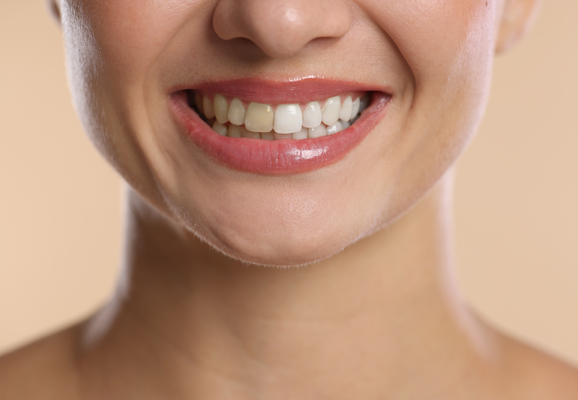
A smile makeover can change the way teeth look, feel, and function by combining treatments into one personalized plan. As a general dentist, the focus stays on oral health first, then appearance. This approach helps patients address concerns such as discoloration, uneven spacing, worn edges, and missing teeth in a way that fits their needs. A smile makeover often begins with a close exam, digital images, and a conversation about goals. Read on to learn about the process.
What a smile makeover includes
A smile makeover may involve cosmetic and restorative treatments, depending on the condition of the teeth and gums. Some patients want to correct stains and small chips, while others need to rebuild teeth that have worn down over time. Common options include teeth whitening, dental bonding, veneers, crowns, and tooth replacement for missing teeth. Clear aligners may also help move teeth into better positions before other work begins.
Each treatment plays a different role in the overall plan. Whitening can lift surface stains, bonding can reshape small areas, and crowns can cover teeth with larger damage. When combined carefully, these services help create a more balanced smile while supporting daily comfort and bite function.
Why planning matters
A smile makeover works best when the dental team studies both appearance and oral health before treatment starts. Gum health, enamel thickness, bite alignment, and older dental work all affect which services make sense. For example, crowns, veneers, and fillings do not respond to whitening, so timing matters when matching shades across the smile.
Planning also helps patients understand what to expect during each step. A general dentist may recommend treating decay or gum irritation before starting cosmetic work. This creates a healthier foundation and helps the final results look more even. In many cases, a smile makeover happens in stages so the mouth can adjust and each treatment can build on the previous one.
Who may benefit most?
Many adults consider a smile makeover when several concerns affect the smile at once. This option may help patients with:
- Stained or yellow teeth
- Chipped or uneven edges
- Small gaps between teeth
- Worn, misshapen, or missing teeth
- Older dental work that no longer blends well
Addressing multiple concerns together often creates a more complete change than treating one issue at a time. It also gives the dentist a chance to coordinate color, shape, and spacing across the full smile.
A path toward renewal
A smile makeover is not only about creating a different appearance. It can also support clearer speech, easier chewing, and better confidence during daily interactions. Because every smile has different strengths and concerns, treatment starts with a careful review of the teeth, gums, and bite. That evaluation helps a general dentist recommend options that match the patient’s goals, timeline, and long-term oral health needs. With the right plan, a smile makeover can refresh worn or uneven teeth and help patients feel more comfortable sharing their smile again. For more information or to schedule an appointment, call our office.
To schedule a consultation, please request an appointment on our website at https://springdentalcareimplanttx.com or call A Dental Care & Implant Center at (281) 466-4681 to arrange an appointment at our Spring office.
Check out what others are saying about our dental services on Yelp: Smile Makeover in Spring, TX.
Related Posts
It is important to choose a cosmetic dentist that you trust, especially when it comes to orthodontic treatment. Before deciding on the best cosmetic dentist for you, it is helpful to have an understanding of the different types of orthodontic treatments and get an idea of which option might be best for you.Every cosmetic dentist…
When missing teeth affect your overall quality of life, implant supported dentures offer a solid, lasting fix to restore a healthy smile and clear speech. Modern dental care gives patients great choices for full-mouth restoration. However, few options match the strength and everyday ease of anchor-supported dentures. If you are tired of loose plates or…
Periodontics care is specialized dental care for treating and preventing periodontal disease from reappearing. Scaling and root planing may be performed on patients with periodontal disease to eliminate bacterial plaque and other toxins. Gum disease-causing bacteria can reappear three to four months after initial treatment. As a result, the dentist will recommend coming for cleanings…
Want to know what symptoms are associated with TMJ? Many symptoms are linked to this commonly diagnosed jaw-related disorder, including jaw pain. However, other symptoms are important to be aware of as they can help the general dentist make a diagnosis and treatment plan. Many are surprised to learn that a general dentist can diagnose…